An institutional film fund
Film Founders is a private network of investors and above-the-line creatives building films as capital-efficient, founder-led ventures.
Featured Productions
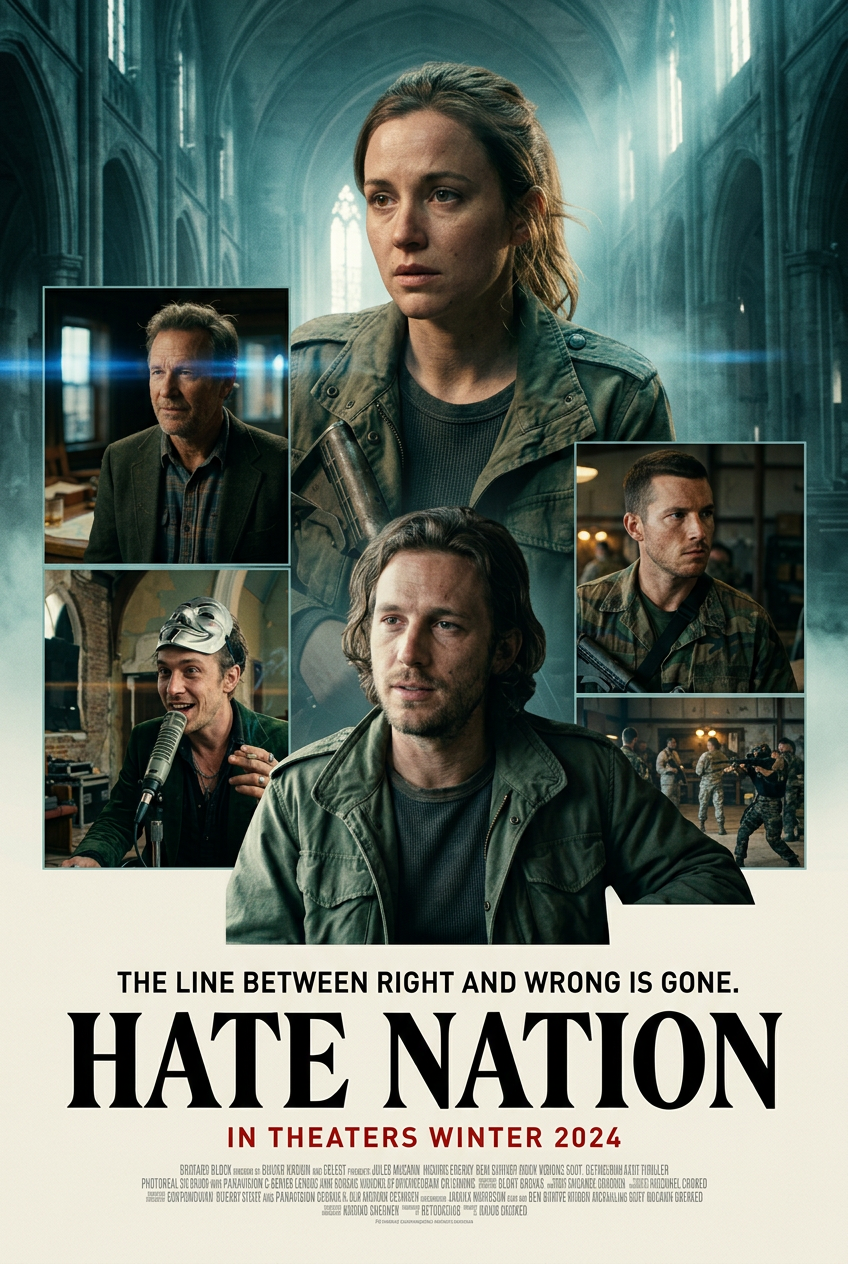
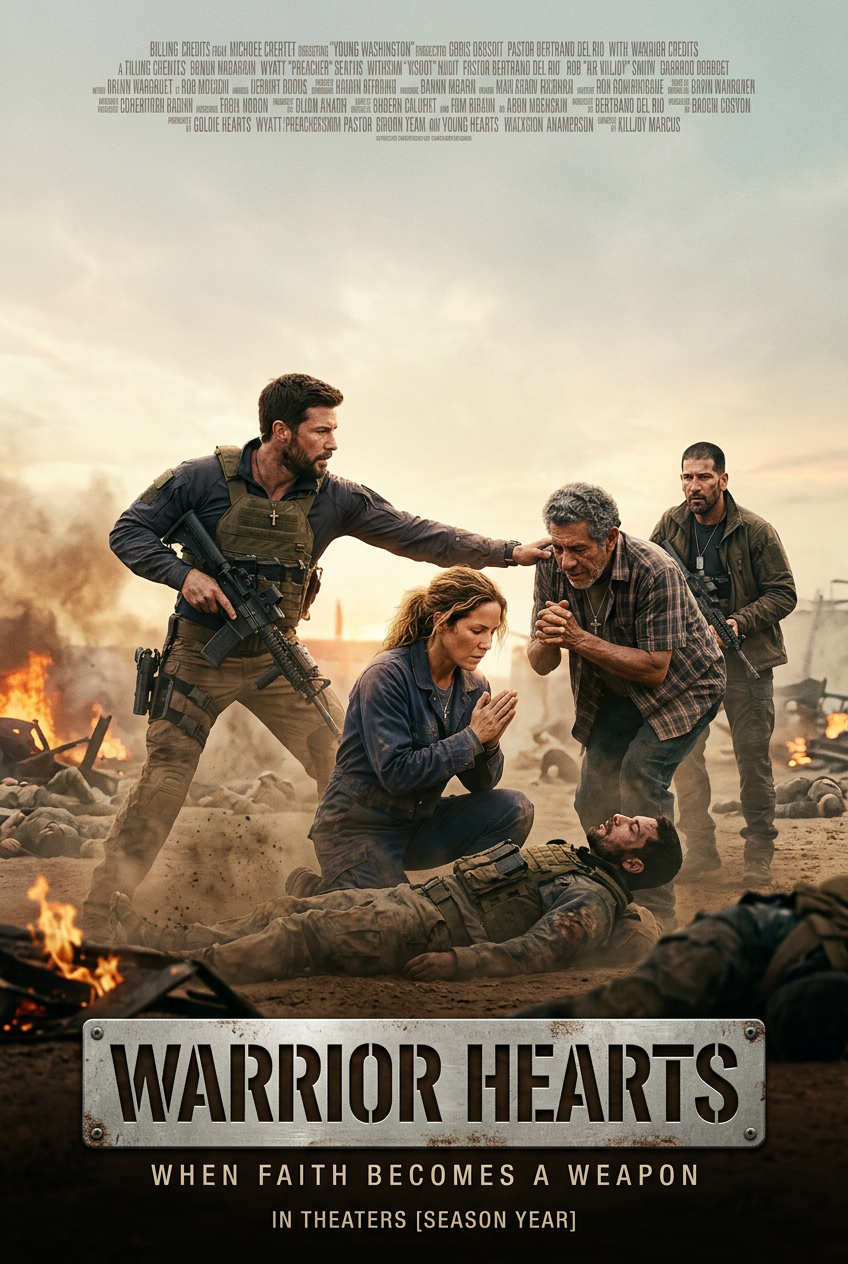
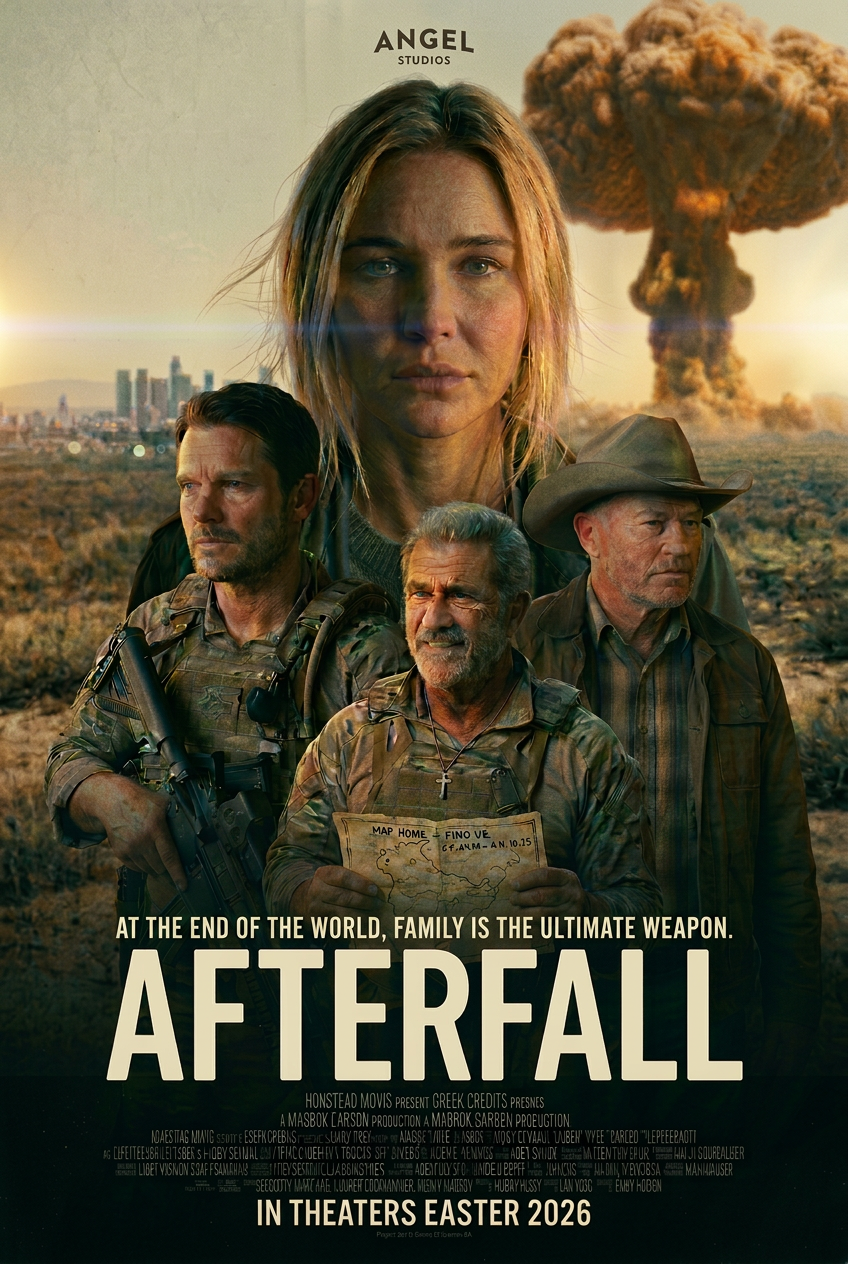
Cinema as an asset class.
Founding Films bridges the gap between traditional finance and the avant-garde. We back projects that challenge narrative conventions while maintaining clear paths to commercial viability in the streaming and theatrical landscape.
By focusing on mid-budget independent features ($5M–$20M), we capture the most efficient risk-to-reward ratio in modern media production.
Read the full thesis
Finance & Venture · A Thesis
Creative Partnership Films
Indie film is drying up because every link in the chain grabs for cash first. What if investors, cast, crew and creators were paid like partners — at the same time, on the same terms — and built films at one-tenth the cost?
Opening
Film work is drying up. Investors are drying up. Acting work is drying up.
They're drying up because film loses money the vast majority of the time. Film is a horrific investment. Particularly indie film. "Film is where money goes to die," they say. As a result, most "successful" actors work about twenty percent of their available time.
Why can't film creatives come together and make their own films? Is it because of the hard costs of filming? What does it actually cost to make a film or a TV series? When a group of friends get together to make a film, or shoot a concept reel, what are the hard costs?
Filming, editing, and distributing a film has never been cheaper or more accessible to the masses than it is today. The hard costs of filmmaking are very small. But the soft costs are utterly astronomical.
Can a production company be formed around a group of friends making a film or TV show? Could they do it for 90% less cash, make ten times as many shows, and make more money off each?
The Problem
Soft costs eat 90% of every film budget.
Hard costs of filmmaking have never been lower. But inflated finance costs, producer fees, posh hotels, transpo, huge crews, SAG deposits and layered agency overhead consume nearly the entire budget — long before a single frame is shot.
Where the money really goes
Inflated finance costs, P&A returns, producer fees, four-star hotels for actors, posh dressing rooms, craft services, transpo, huge crews, SAG fees and deposits, on-set haircuts, the assistant-assistant-assistant costume person. The soft costs of filming are almost entirely to blame for untenable film budgets.
A group of friends filming a concept reel incur none of these soft costs — and these costs, believe it or not — add up to 90% of a typical film budget.
At 10% of typical cost, how many films would be profitable? How would investors react to beautiful films that are made with one-tenth of the cost, that quickly generate a return on investment? How would actors, directors, writers and producers feel about working full-time, making their full rate, plus residuals?
This is all entirely possible, but there's a catch to ultra-low budget filmmaking. Nobody in the chain — investors, producers, cast, crew, editors — can grab for their money first.
Why even funded indie films lose money: the "1.2× Pref" grab
- Investor recoups principal. $1.0M back before anyone else (other than P&A).
- Investor receives 1.2× preference. Another $200K before any creative sees a dollar.
- Investor still owns equity points. Plus $1.2M of ownership — on capital already returned.
- Everyone else waits. Producers, directors, cast, crew are last on the waterfall. Points rarely pay.
Every $1.00 spent on set actually costs the production $2.20+.
How investor deals kill indie film
Indie film investors customarily get a deal structure called "1.2× Pref." This finance approach is the first "grab" in a chain of cash grabs that causes film to cost 900% more than it should.
For example, if you invested $1 million in a film: you get paid back $1 million before anyone else (other than P&A); you get paid another $200,000 before anyone else; then you are given $1.2 million of ownership shares — even though you already got paid back your principal plus interest.
Film is stupidly risky, so investors can require a smoking, good deal. They end up getting paid two and a quarter times their investment. Another way to look at it: every time a production pays $1.00 to a transpo driver to take an actor back to their hotel, it actually costs at least $2.20.
Investors, producers, directors and actors might get "points" in the film, but points are the LAST on the finance waterfall to get paid. And, since customary film productions are 900% more expensive than they should be, points rarely result in anything. Even when a production gets investor capital, that "win" virtually guarantees a "loss" at the end of the run.
The Vicious Cycle
Expensive films + expensive capital = no profits, fewer films.
SAG and other unions must keep pace with bloated budgets, which drives capital demand, which drives the cost of capital up again. Up and up — until indie film stops existing.
The upward cost spiral
Because of the ultra-high risk in indie film, film investors demand sky-high compensation for their capital. These investor deals, right from the start, wipe out any chance for a show to profit. This partially explains why there's almost never any money left over for "points" at the end of a show's run.
Very expensive films + very expensive investment money = no profits and fewer films.
Because the filmmaking system is so bloated, SAG and other unions must keep pace and get their money and benefits first. SAG amplifies the bloat, driving up the investment capital demands, which then causes the costs of capital to explode even more. It's a vicious, upward spiral of costs.
SAG responded by offering new categories such as Special New Media — four categories that allow guerrilla filmmaking at 20% or 35% of basic scale. This approach lets creatives work together to make profitable films. But before that can happen, all filmmakers — from investors to directors to actors — must erase their expectations of what they should be paid and when. It has to be structured like six friends making a concept reel in a garage.
More investor dollars → lower chance of success.
Every layer of soft-cost overhead amplifies the next. Capital becomes more expensive. Profit disappears.
Tiny investor dollars → dramatically higher success.
Lean partnerships hit profitability sooner, return capital faster, and free up more upside for everyone.
The Answer
Compensate creatives exactly like investors.
Every discount against scale becomes a partnership contribution — credited at the same 1.2× preference as cash. Paid at the same time. Equity points forever. Nobody grabs first.
Creatives as partners
Creatives could team up and make films and TV shows with 90% less cost, and reap the rewards together, especially on revenue-sharing platforms such as Angel Studios.
The answer: make much cheaper films with all creatives as partners.
With new revenue streams — direct-to-consumer product sales, direct merch sales, pay-it-forward donations, streaming subscription sharing — the odds of never-ending residuals for creatives go way up. When productions are collaborative and lean, the odds of success skyrocket even more.
Tiny investor dollars = much higher chances of success. Inexpensive films + very little investor money = profitable films and lots of them.
Everyone contributes their effort — or as much as they can possibly afford — and takes the bulk of their compensation as an owner/partner of the film, at exactly the same rate as an investor. 1.2× pref. This deal structure should not be just for the investor, but for both the investor and the creative contributor, paid at exactly the same time.
The Challenge: No creative or investor can grab for their money first. Creatives and investors must invest together. If one grabs for more, they spiral immediately back to films that cost 900% what they should.
Compensate Creatives like Investors: Cast, crew and above-the-line creatives can be compensated exactly like independent film investors. If all creatives take a very big discount against their customary pay scale, in keeping with SAG minimums for Special New Media, those discounts can be treated the same as investor dollars — credited to the creative's partnership at a 1.2× Pref.
All discounts in a Creative Partnership film would be treated the same as investor dollars, including getting paid first, and getting paid approximately two-and-a-half times the cash equivalent, PLUS equity "points" — that last forever and continue paying forever. A Creative Partnership film should pay out similarly to broadcast TV show "residuals," but for all investors and creatives. Nobody gets a "studio deal" that makes them the corporate "top dog." Everyone splits the deal and the split is transparent to everyone.
Better still, a Creative Partnership film or TV show would be filmed at 10% of the cost, which means it will hit profitability much sooner than the same film made at customary "studio" budgets, and without nearly as much investor financing to drain the profit out of the film. A Creative Partnership film would be a positive, downward cost spiral, instead of the upward cost spiral that plagues every other film and show.
How Are Investor Dollars Handled? Investor dollars must be treated the same as creatives' contributions. Everyone gets paid at the same time, in proportion to their "loan" against the success of the film. This is NOT deferred compensation. It is a loan to the project in the form of work — an exact offset to investor capital. When an actor puts $4,000 of her time into the debt pool, that is $4,000 that doesn't need to be borrowed from investors. Both investments must be treated equally — creative contribution and cash investment.
Cast, crew, ATL creators and investors share the same waterfall.
1.2× pref + equity points — paid in proportion to contribution.
Streaming, merch, pay-it-forward, international — all flow back to partners.
How Partners Get Paid
Seven revenue streams. All fast. All compounding.
Angel Studios and modern direct-to-consumer channels pay quickly and let partners earn from the same film over and over.
How money is made and when
Fortunately, not only are films able to be made much more cheaply with modern technology, but the means of making money are now easily available to filmmakers, that pay very quickly, through Angel Studios.
1. Theatrical Revenues. While not suitable for all films and shows, a theatrical release can jump-start a project by getting it in front of more people, sooner. There also remains a chance of massive success, like Sound of Freedom, which will drive success of the film/show on the streaming services.
2. Streaming Share. Angel Studios has built a large subscription base of supporters who pay $20 monthly. Angel shares half of that with film creators, in proportion to the minutes viewed on their streaming service. (i.e. exactly what SAG was asking for from streamers during the strike.)
3. Merchandise. Angel Studios offers direct in-app merchandise sales from its app store so people can buy while watching.
4. Pay-it-forward. Angel Studios requests that viewers pay-it-forward when they enjoy watching a film or show. A remarkable percentage of people do, particularly when the film has a strong purpose.
5. Story Partner Product profit sharing. Angel films can demonstrate products as minor "heroes" in films, then sell those products directly to viewers — while they're viewing, or later through email and social media marketing.
6. Other Streaming Licensing. Many Angel shows are now licensed to Amazon Prime.
7. International Licensing. Some Angel shows are licensed internationally.
Optional jump-start. Sound of Freedom proved the ceiling.
Half of Angel's $20/mo subscriptions paid out by minutes viewed.
In-app merch sold directly while audiences watch.
Audiences fund the next viewer — especially on purposeful films.
Hero products in-film, sold to viewers in-app and via marketing.
Many Angel shows now licensed to Amazon Prime.
Cross-border deals expanding the partnership pool.
The Structure
Ultra-low budget episodic. $300K / episode official.
$1.8M for a six-episode season — or $3.6M all-in including partnership/barter credits. Every scene is written to one of four budget categories.
Ultra-low budget episodic structure
$300,000 per episode OFFICIAL budget ($1.8M show budget at 6 episodes). $600,000 per episode ALL-IN budget including Partnership/Barter credits ($3.6M show budget at 6 episodes).
Assumptions:
- All creative talent contribution is compensated the same as cash investors (1.2× Pref) and works as true business partners.
- Most actors working at considerable discount to scale, with remainder of full price contract accruing to Partner Finance Fund. Big emphasis on longer casting periods to find co-op cast or comp-flexible cast wherever possible.
- All above-the-line creators working at approximately 20% scale, with remainder accruing to Partner Finance Pool and/or other off-book benefits.
- As much crew as possible working as much as possible toward the Partner Finance Fund, with vastly scaled-down crew (ten-person crew where possible).
- Necessary equipment provided by creative crew: cameras, lighting, sound equipment, etc.
- Much longer filming timelines — 10–14 days per episode — to maximize inexpensive filming options and give more time to develop scenes and acting.
- Write each scene in the script to a specific budget category (Lean, Ultra-lean, Run & Gun, or B-Roll).
- Small ensemble
- 10-person crew
- Pre-erected sets
- Limited lighting
- 1–2 speaking actors
- Outdoor only, no powered lights
- Director or partnered DP
- No special rigging
- No speaking roles
- One actor or extras
- Very limited lighting
- Pre-erected sets
- No actors
- No lighting
- Pre-erected sets
- Atmosphere & texture
Who Belongs Here
The right creatives choose themselves in.
A Creative Partnership film is ruthlessly economical from development through post. The only glamour is the finished work.
Who can participate
Of course, Creative Partnership filmmaking isn't for everyone. Many creatives are locked into lifestyles and deals that prevent them from waiting a year or more to get full compensation. Others are committed to the prestige of "professional" film sets, posh accommodations and the perks that come with studio budget films.
A Creative Partnership film must be ruthlessly economical, from the development/writing stage all the way through post-production. The only "glamour" in Creative Partnership filmmaking is the finished product: a steady stream of beautiful films and TV shows that are top quality and financially successful.
The right kind of actor, producer, writer, cinematographer, makeup artist, set builder, will choose themselves into this co-op style of filmmaking.
- Actors who want full-time work + residuals
- Directors building a sustainable slate
- Writers, DPs, and crew willing to defer for equity
- Investors who want quicker recoupment and real upside
- Creatives locked into lifestyles needing immediate full scale
- Anyone requiring posh sets, perks, or top-dog studio deals
- Investors expecting first-grab waterfall terms
- Productions unwilling to write to budget tiers
Next Step
Model your partnership film.
Use the Pro Forma to translate this thesis into real budgets, waterfalls and ROI projections for your slate.